A Circle of Film Ideas
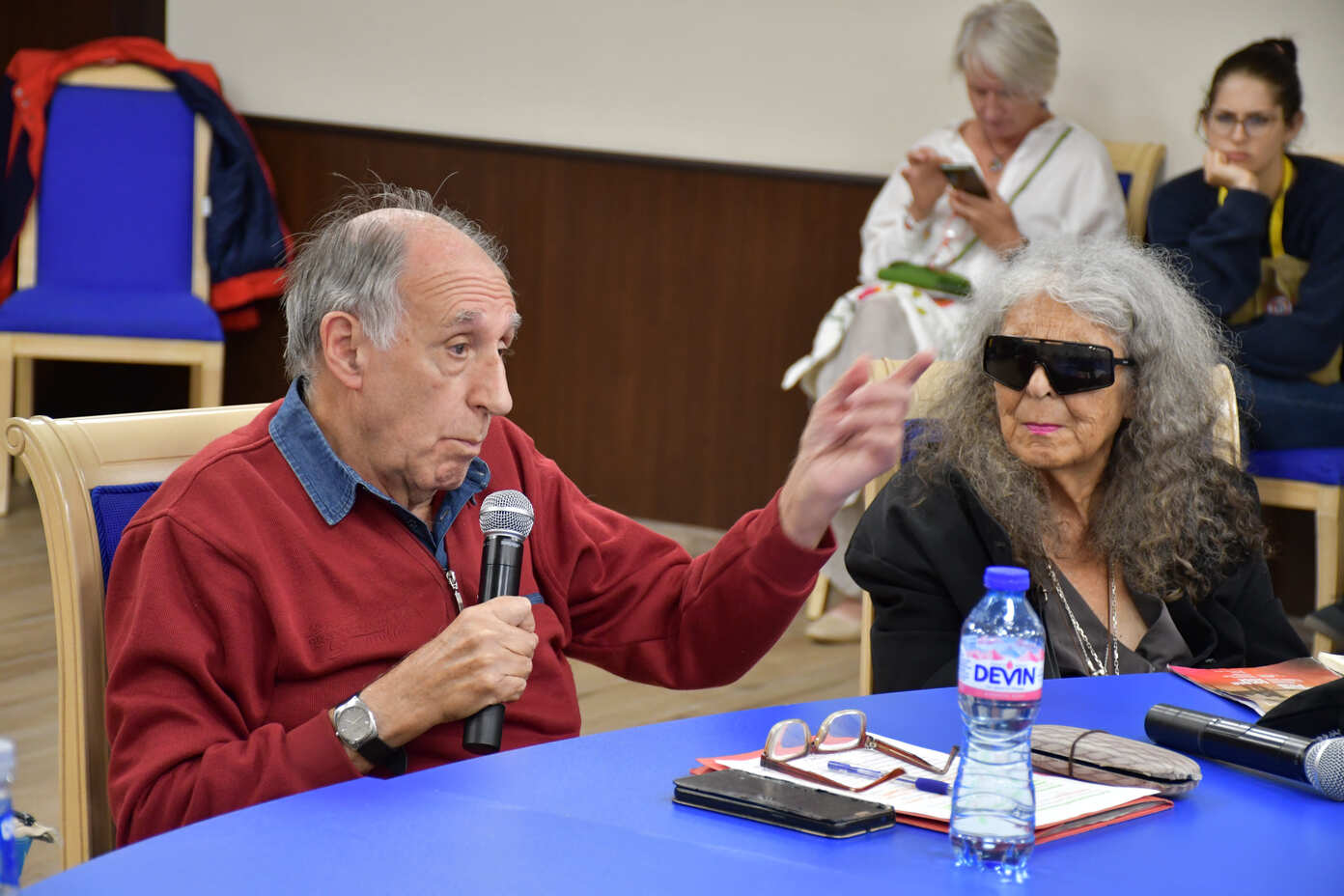
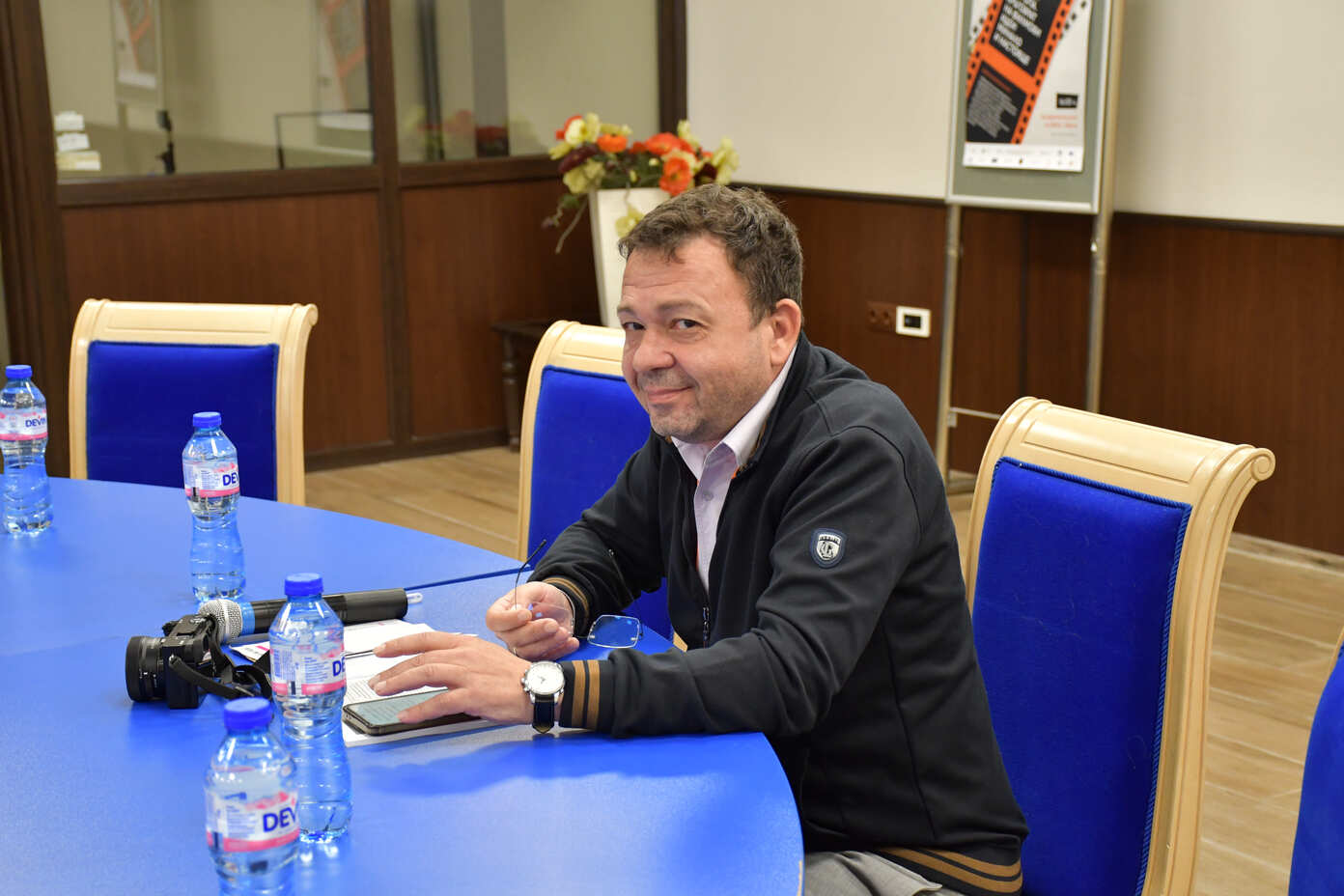
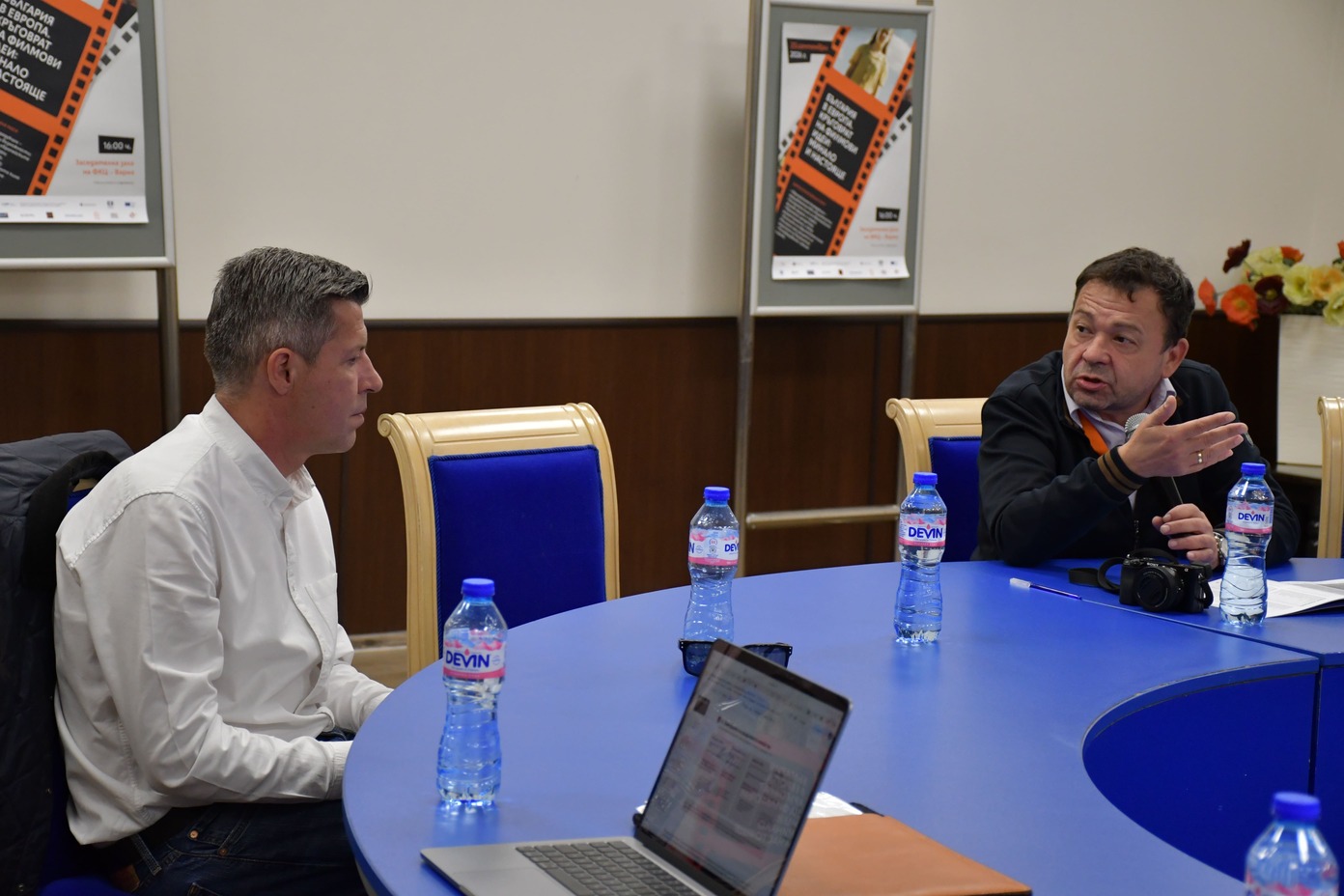
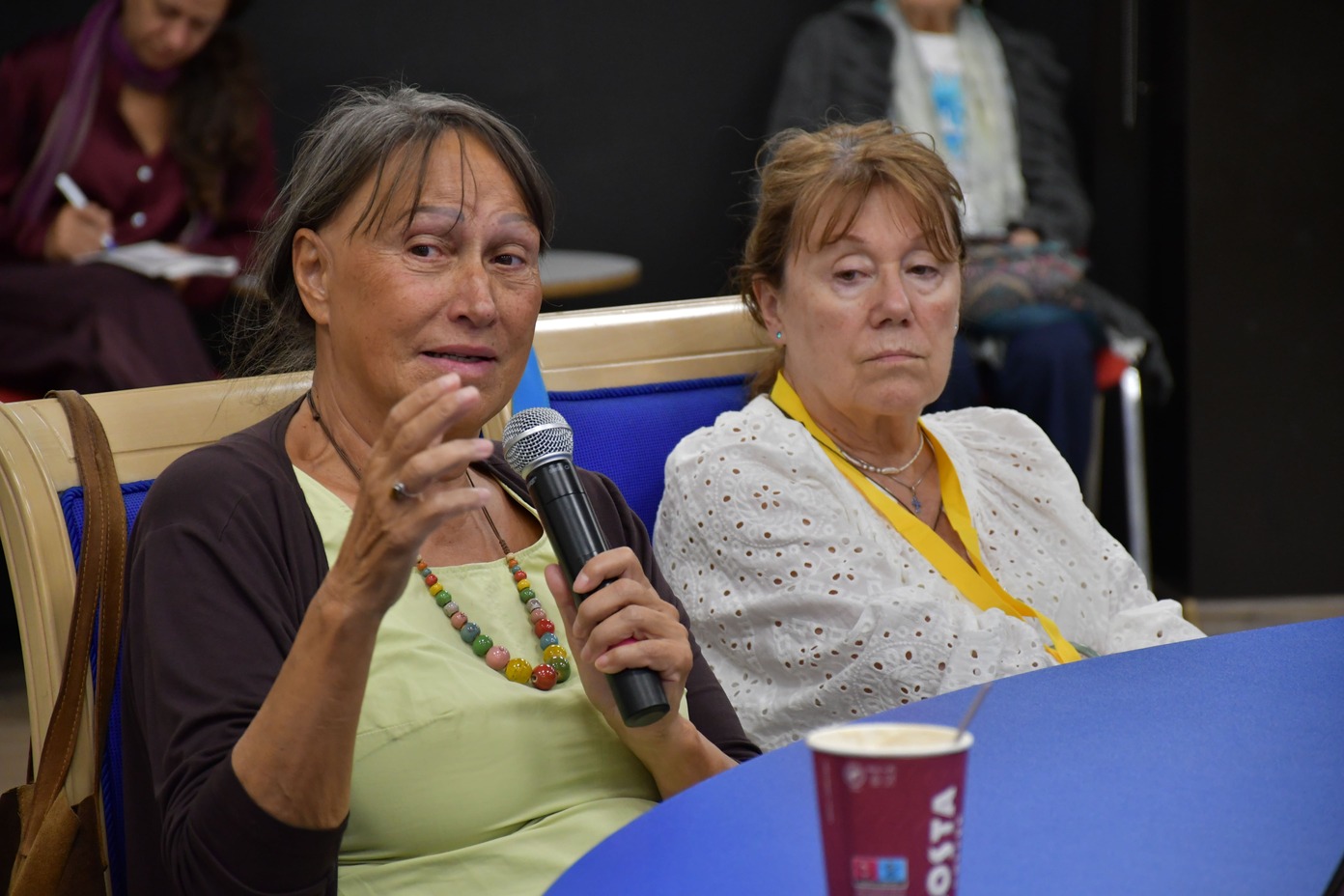
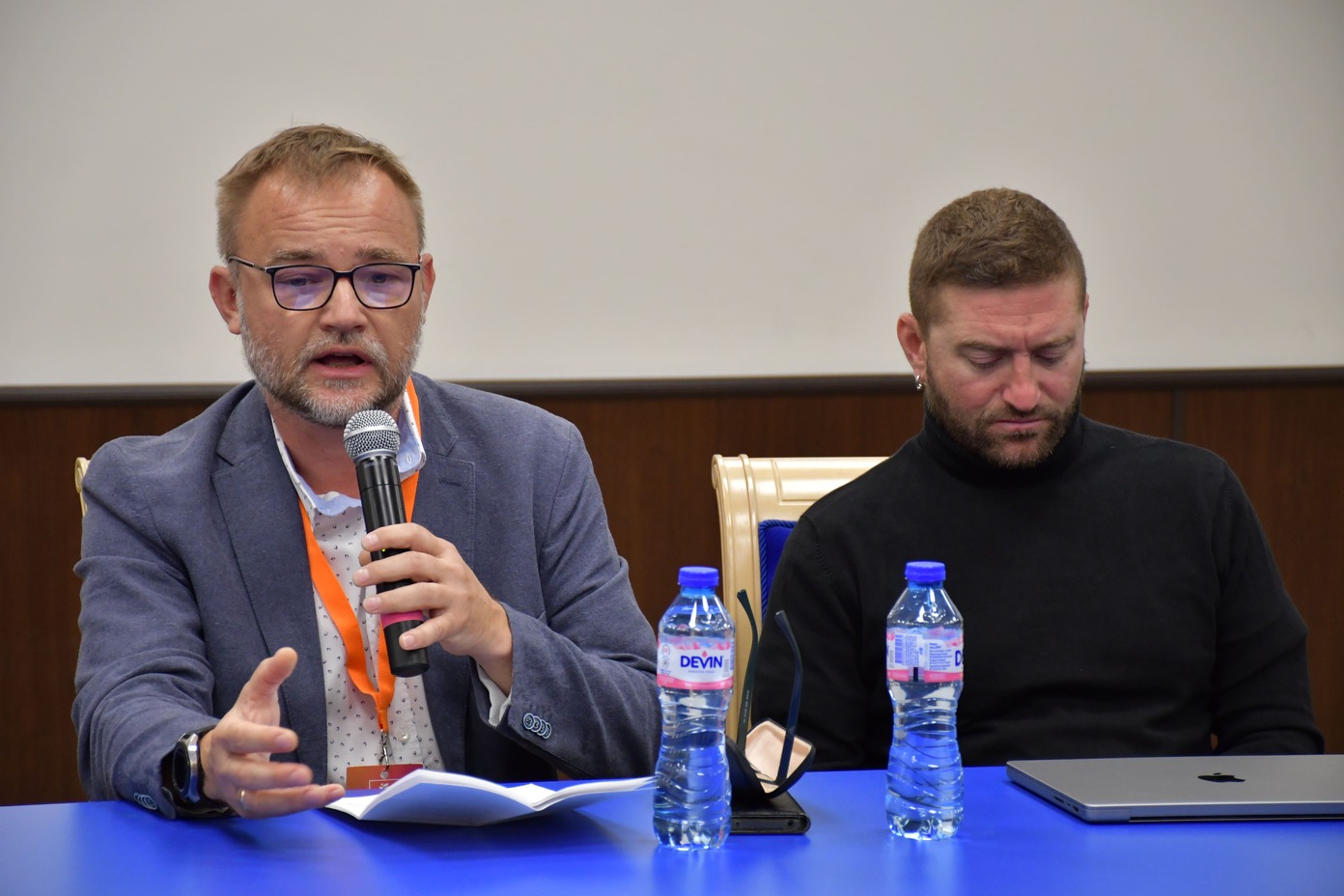
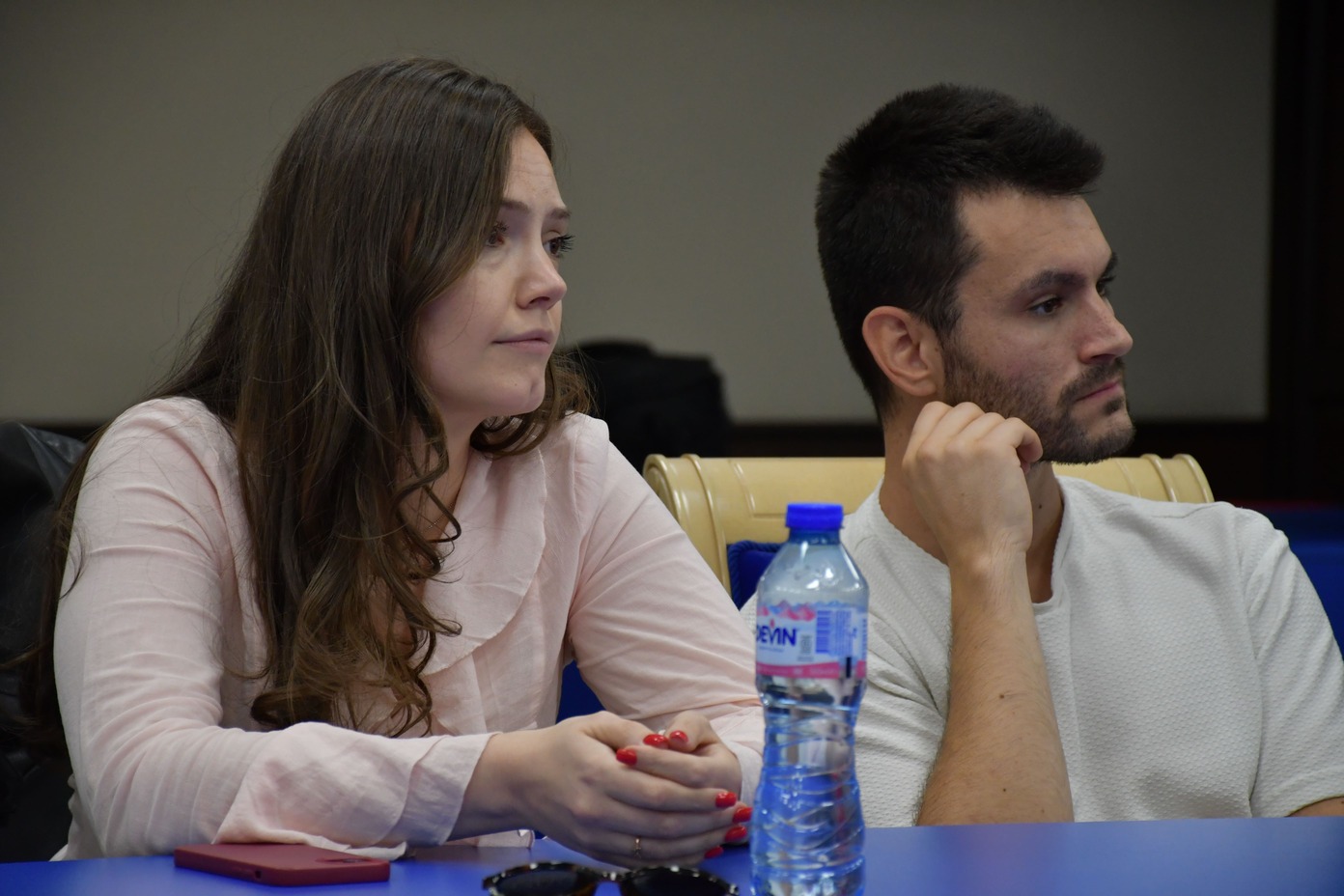
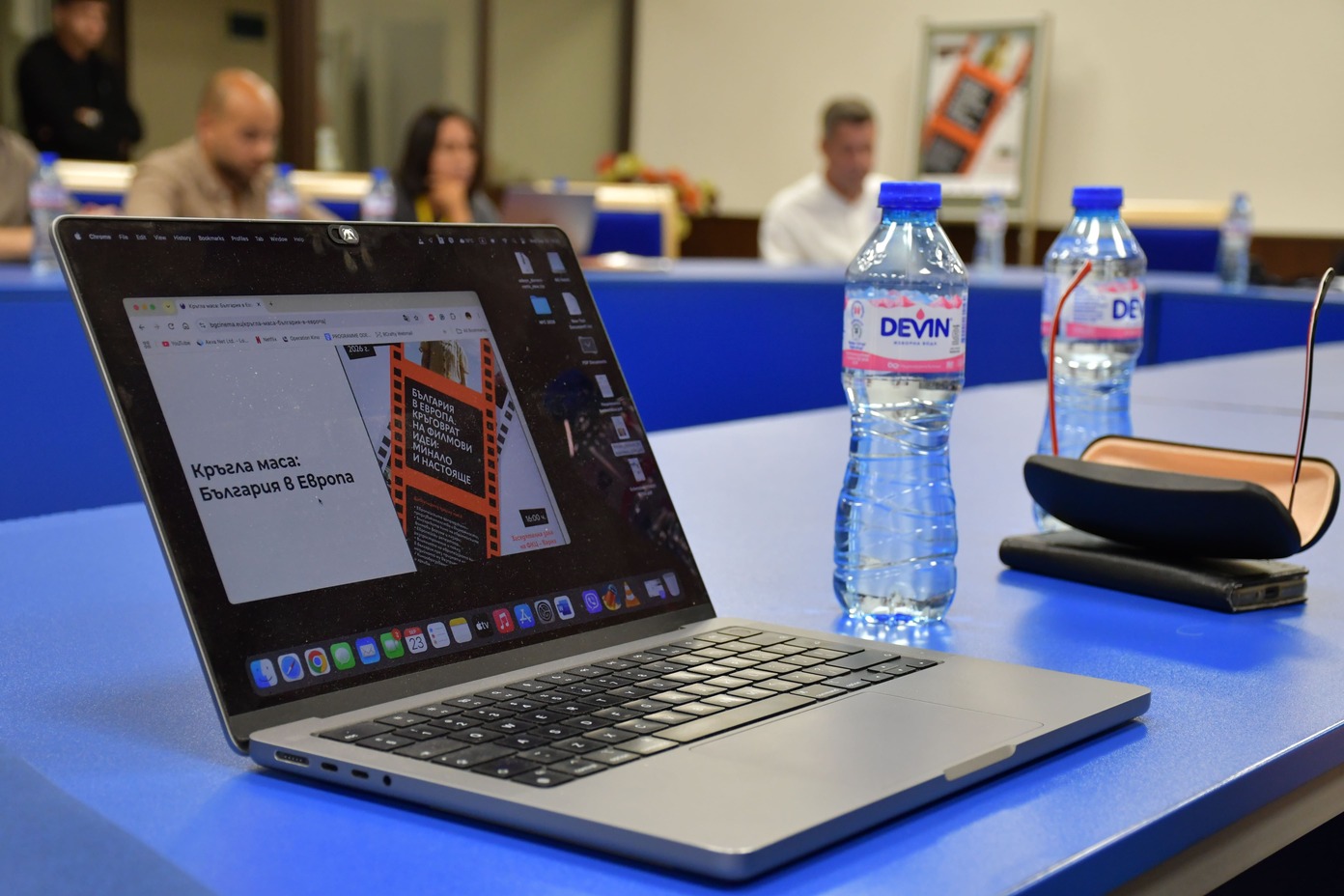
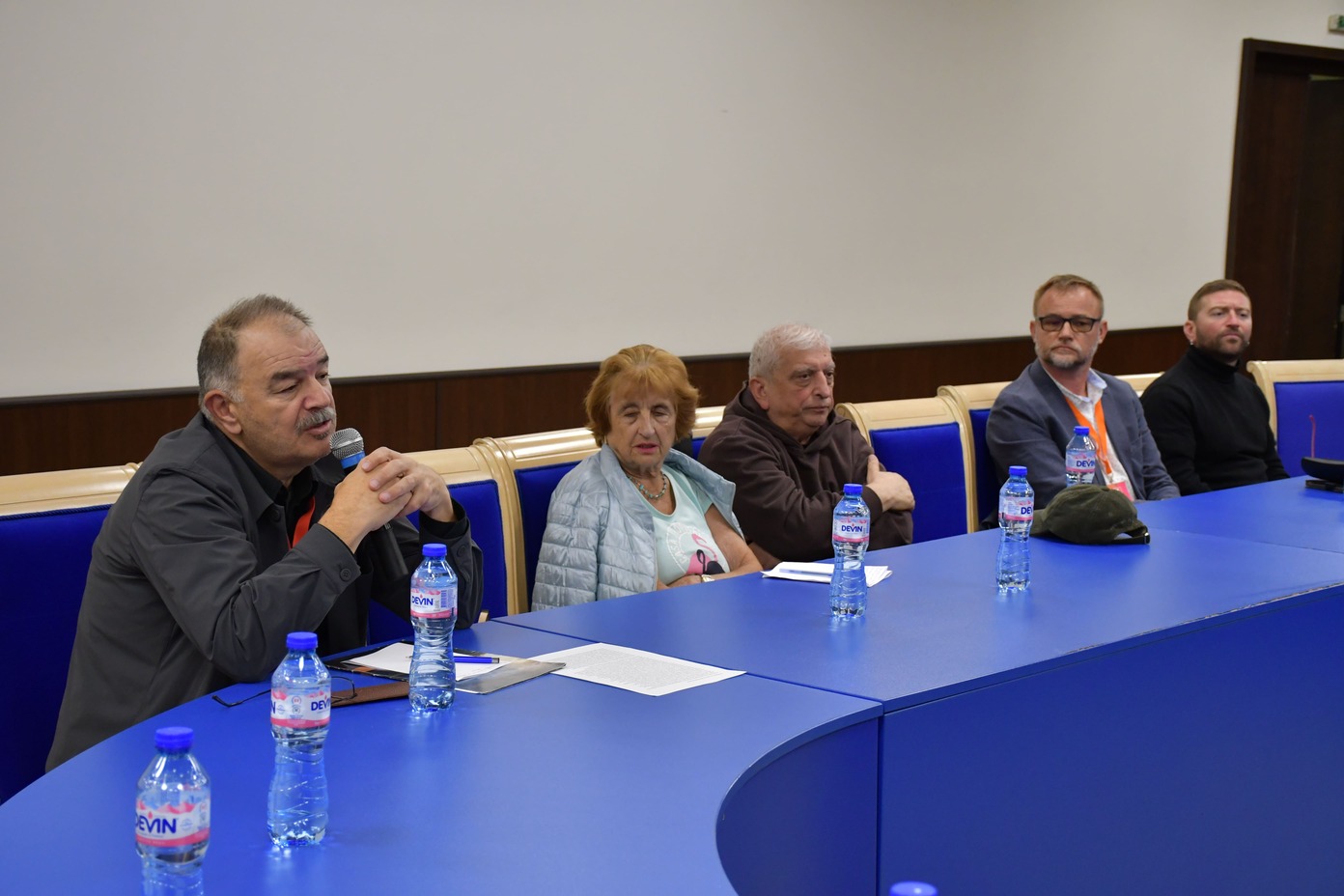
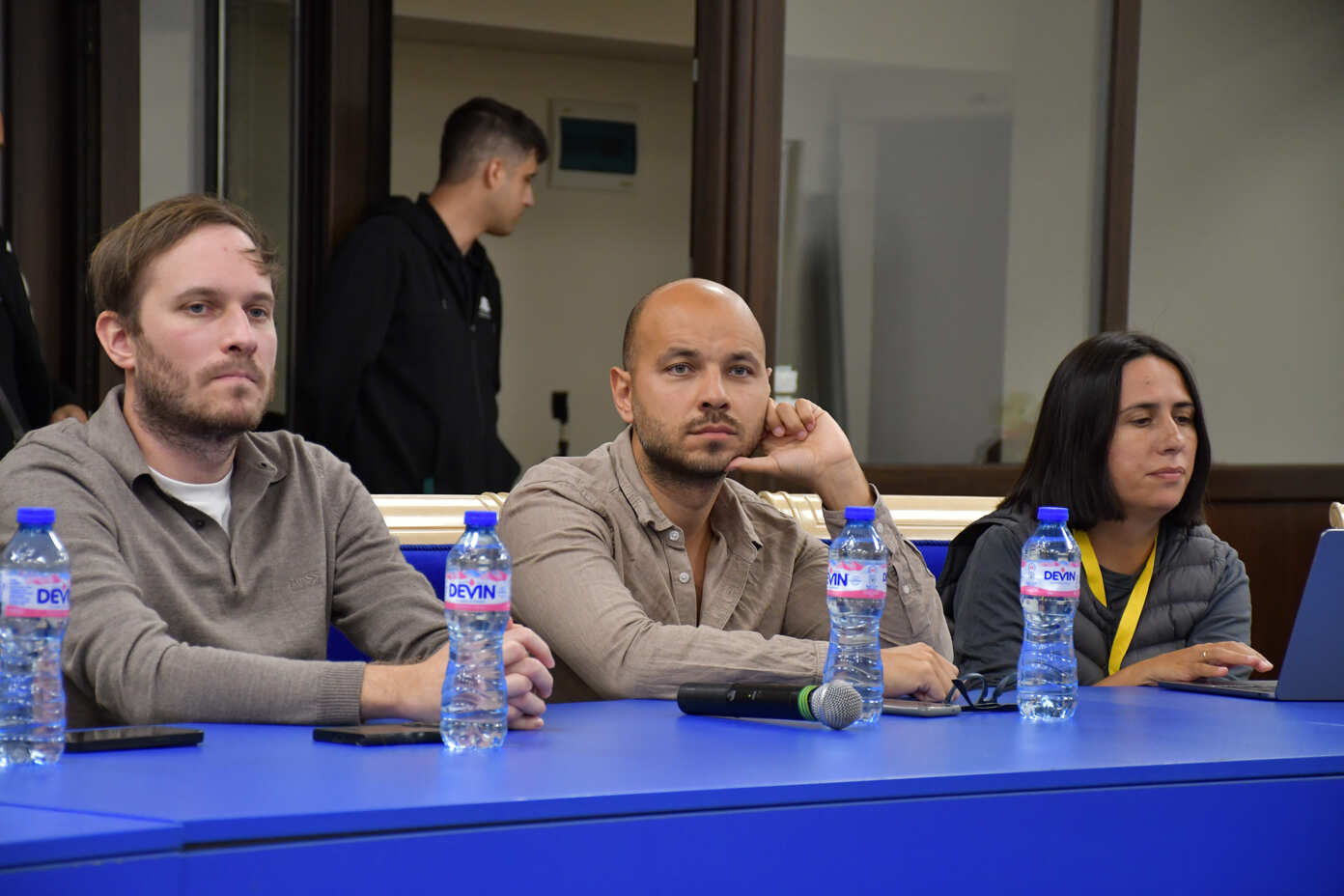
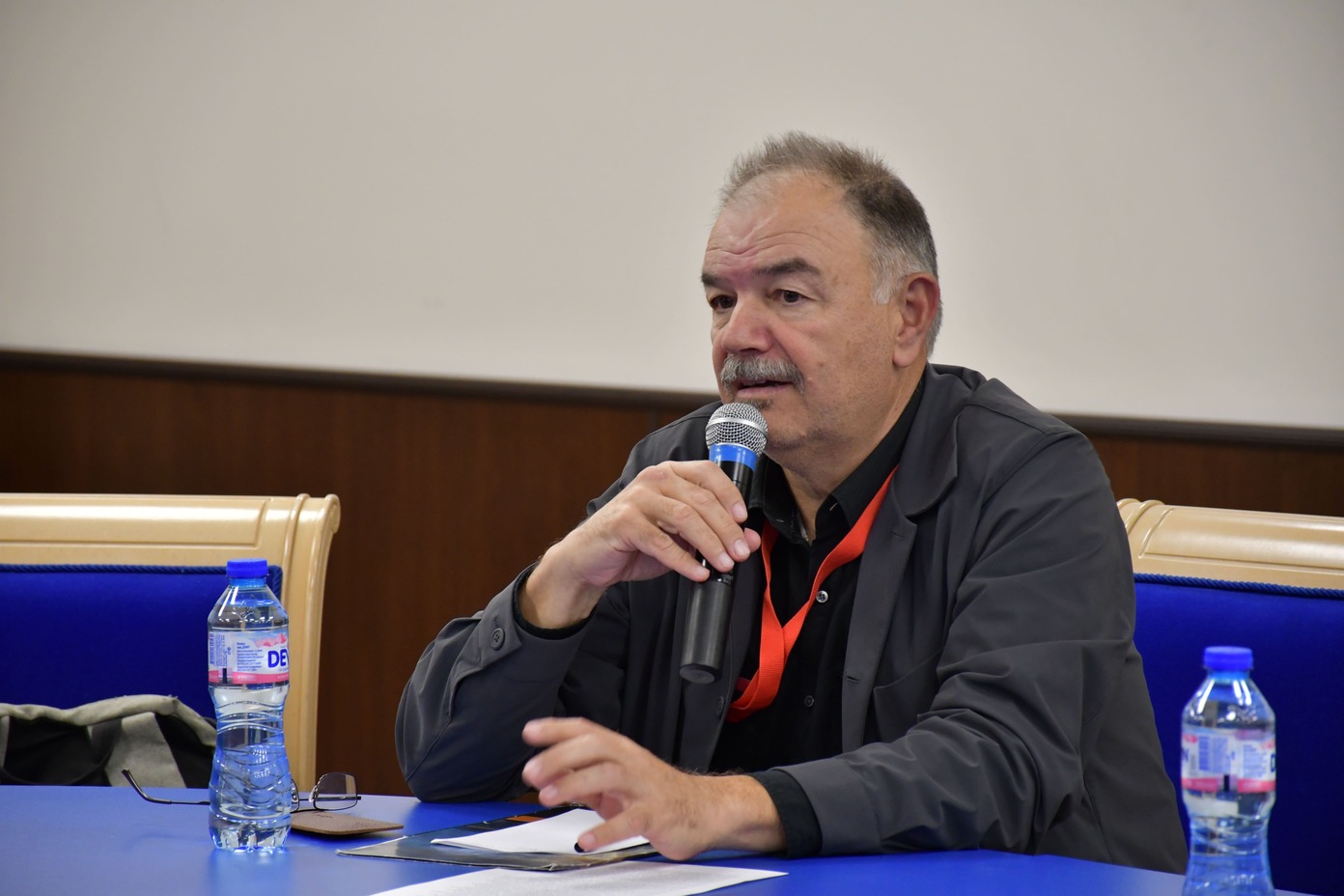
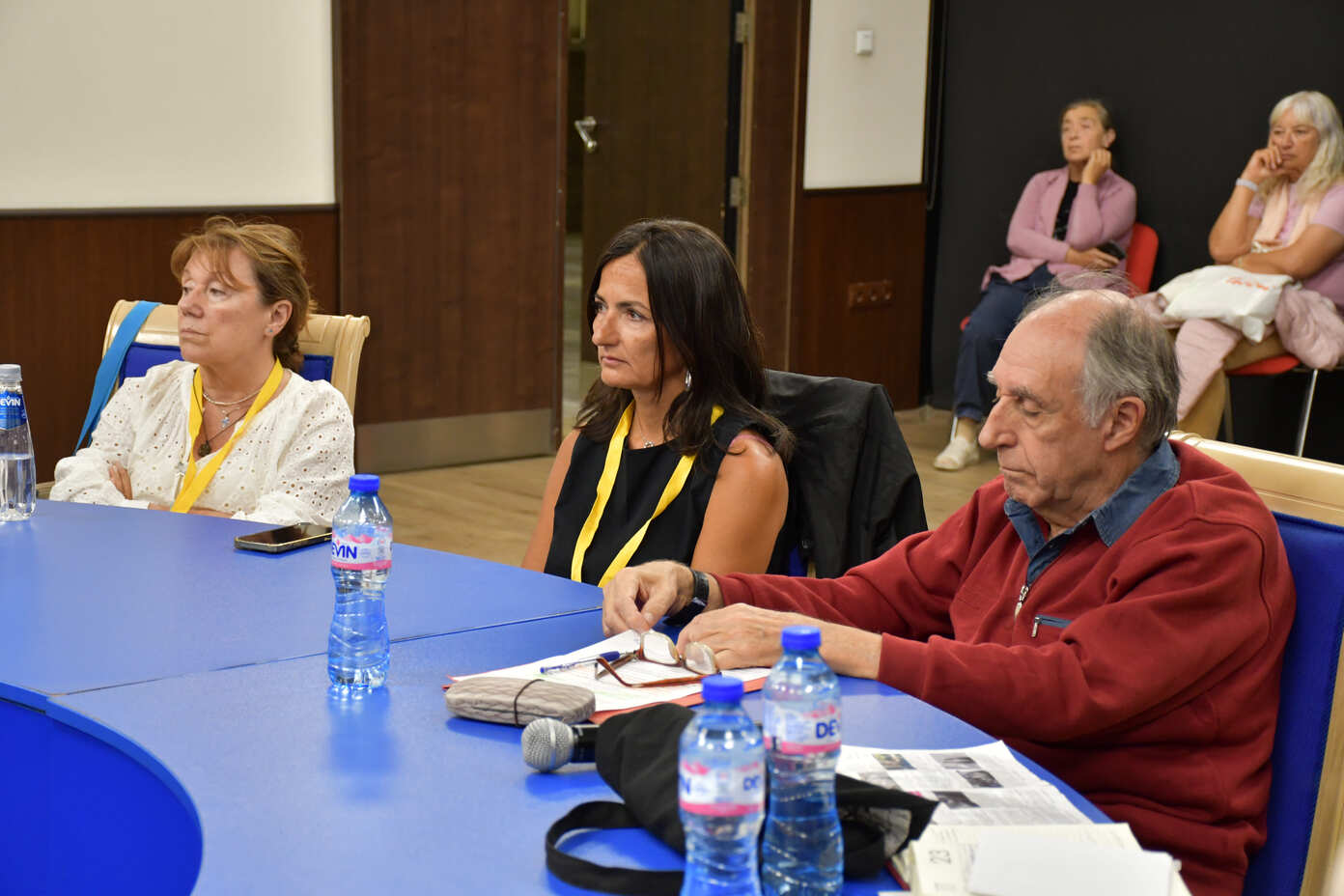
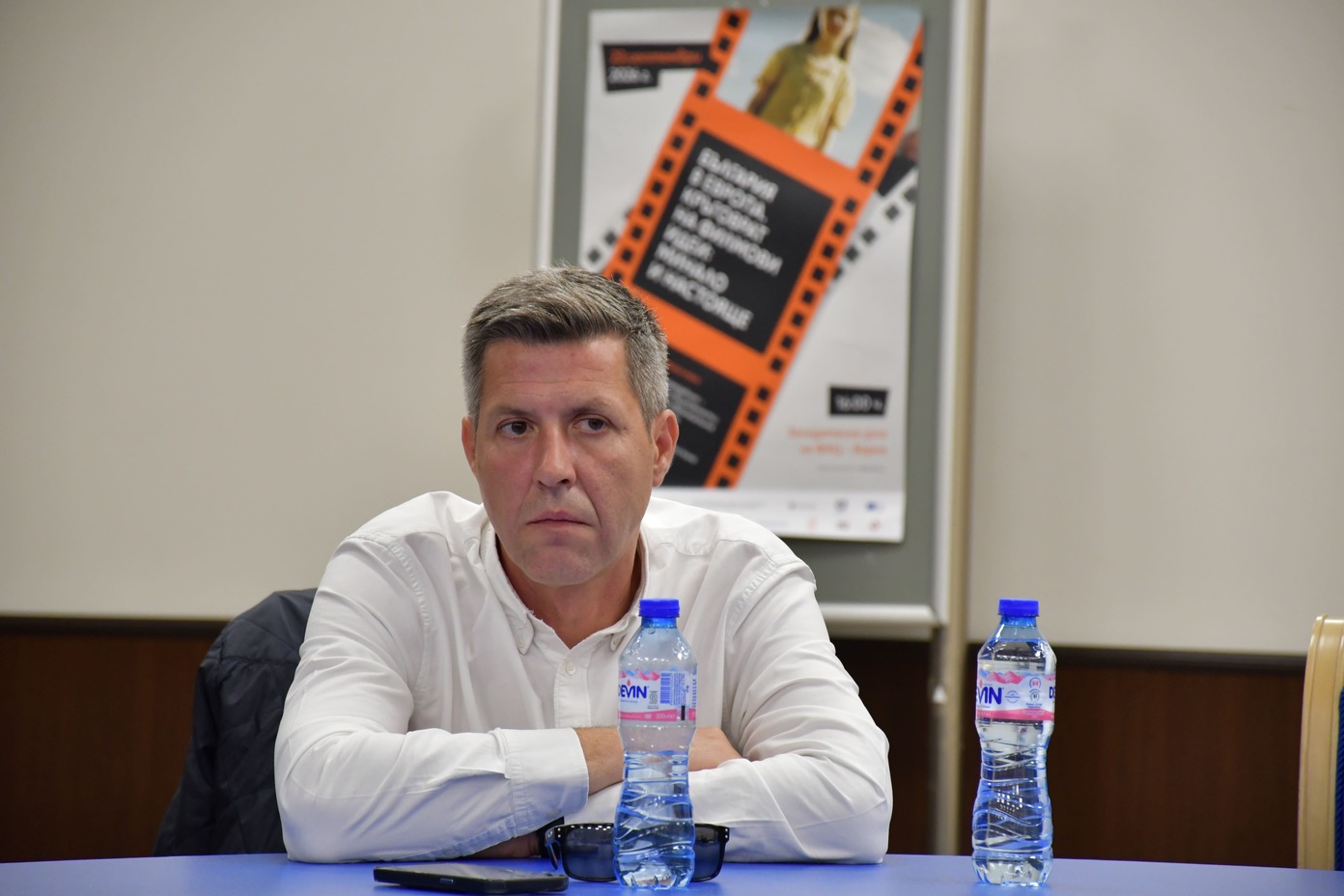
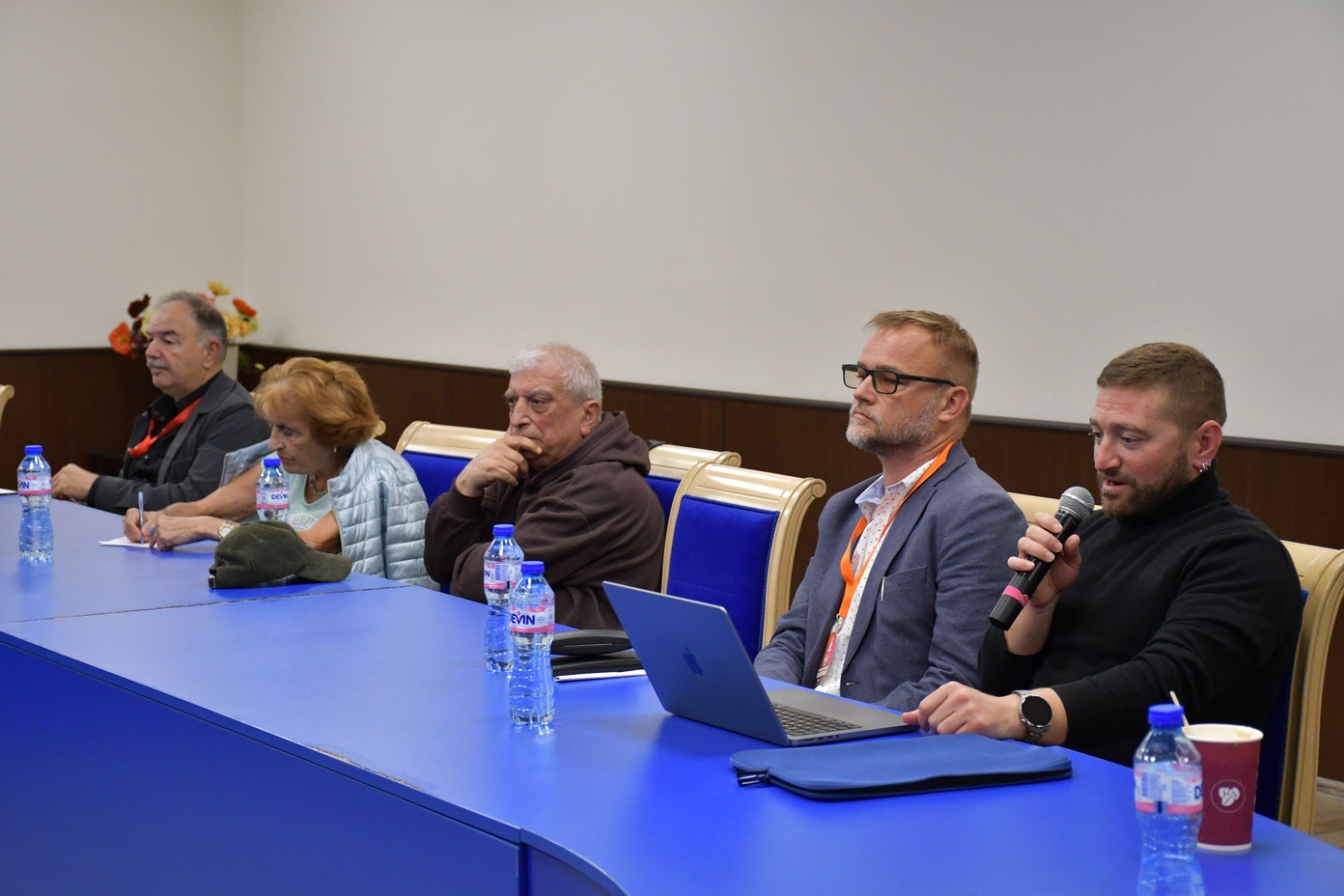
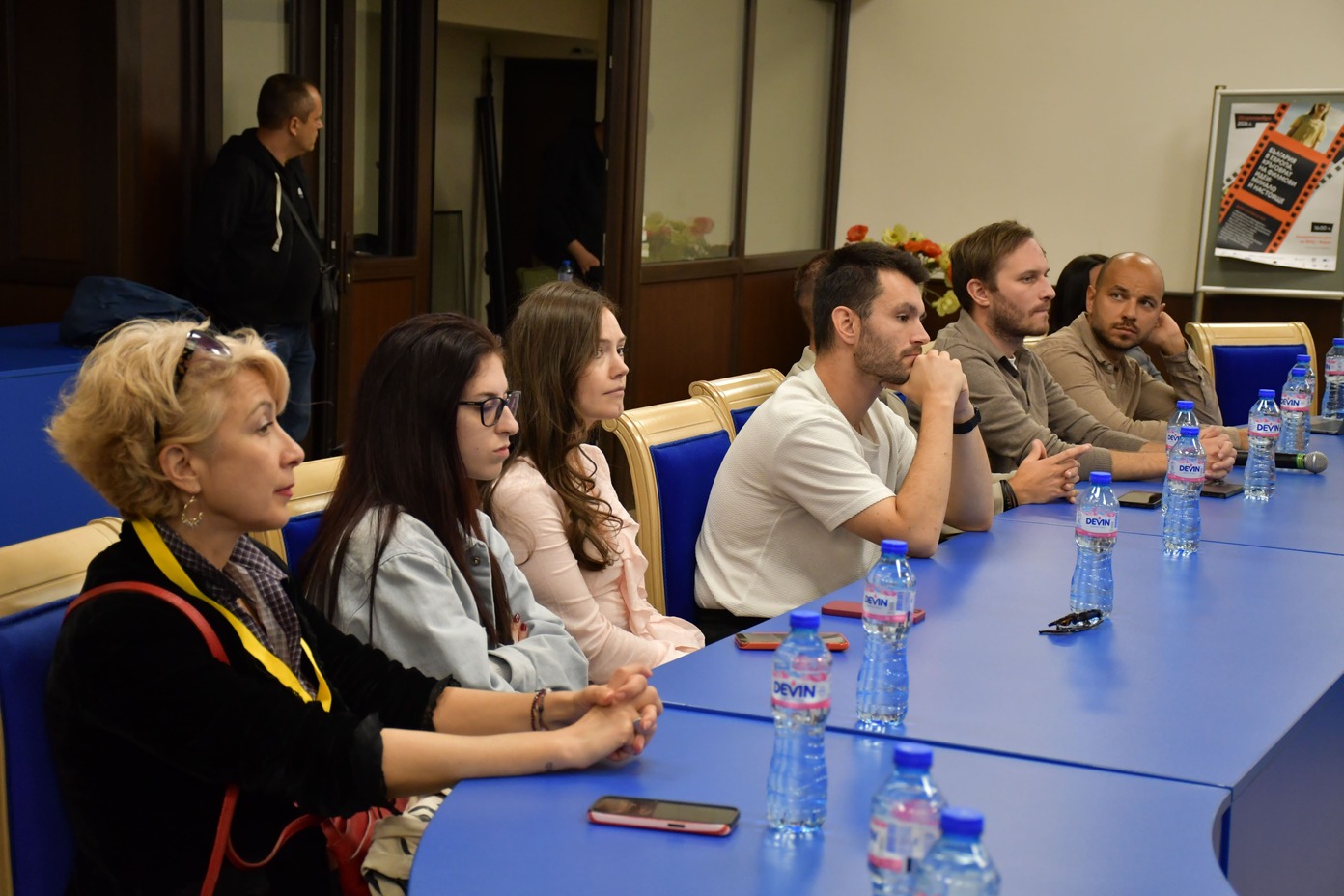
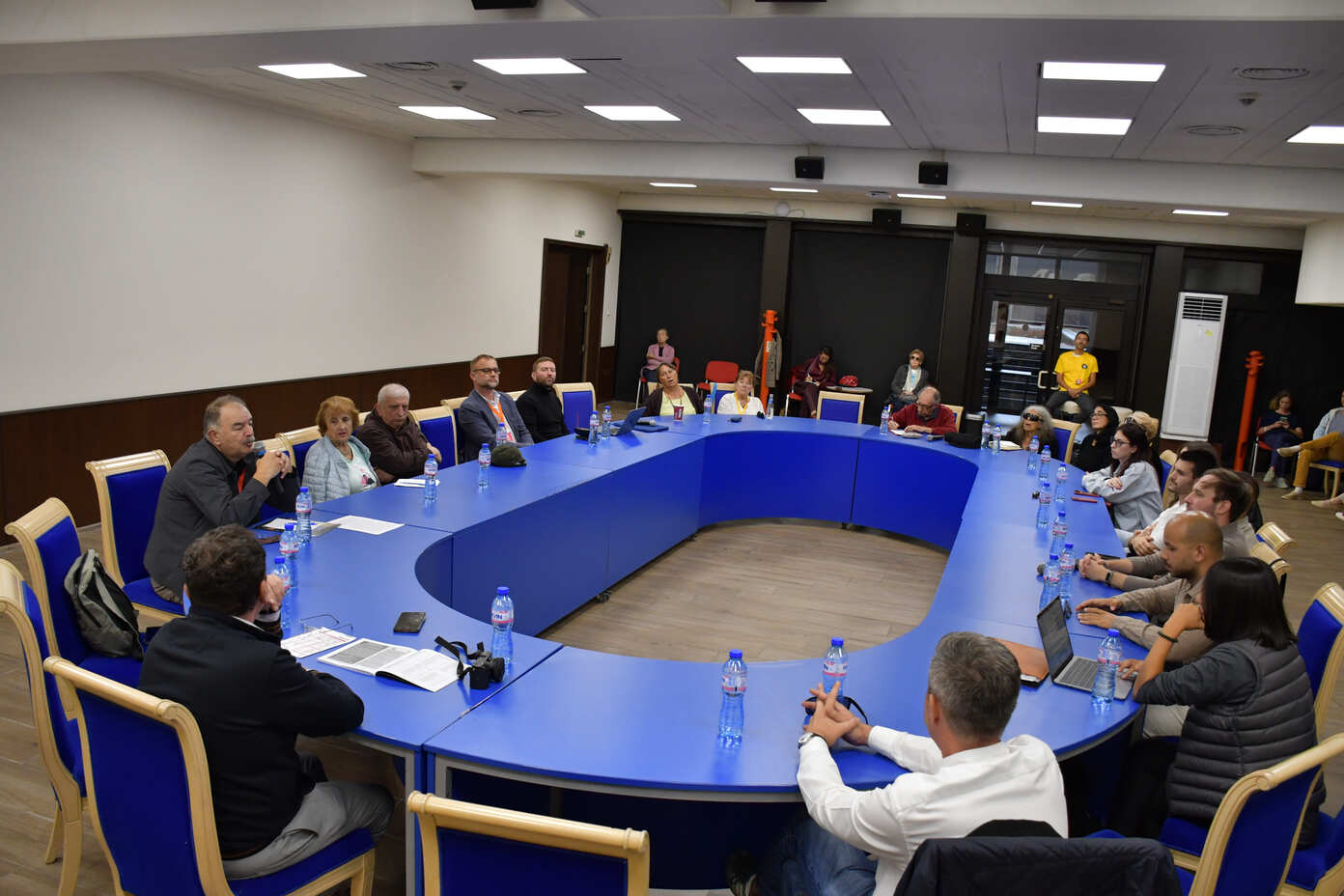
A roundtable on the topic ‘Bulgaria in Europe. A Circle of Film Ideas: Past and Present’ took place during the 44th edition of the Golden Rose Bulgarian Feature Film Festival in Varna in 2026.
The Institute of Art Studies at the Bulgarian Academy of Sciences (BAS) organised the event under a project funded by the Scientific Research Fund.
Taking part in the discussion were the director of the forum and the National Film Center (NFC), Petar Todorov; Assoc. Prof. Deyan Statulov; Prof. Alexander Donev; Prof. Petya Aleksandrova; Prof. Wojciech Jóźwiak from the Adam Mickiewicz University in Poznań; Prof. Bozhidar Manov; Rosen Spasov, PhD; the director of the film Ostaynitsa, Kostadin Bonev; the representative of Eurimages for Bulgaria, Stefan Prokhorov; the programme director of Kinomania and Odeon Cinema, Hristo Hristozov; the doctoral students of the Screen Arts Sector: Simeon Alexander, who is also the head of the Culture Desk of Creative Europe Desk Bulgaria, Stefka Mancheva and Simona Evstatieva, as well as many colleagues from the film industry, etc.
The roundtable was the first visible event of the scientific project Bulgaria in Europe. A Circle of Film Ideas at the Institute of Art Studies at the Bulgarian Academy of Sciences (BAS), its head, Assoc. Prof. Deyan Statulov, PhD, announced. He noted that the project is being carried out to mark the 20th anniversary of Bulgaria’s accession to the European Union.
Statulov explained that the idea was to explore how European cinema is present in the Bulgarian landscape and, in turn, how Bulgarian films are received in the West. He recalled that even in the socialist era, there were artists who trained abroad in co-productions, and there are many such examples. The results will be published in a monograph after the three-year project period.
The scientific work covers the period from the 1950s to the present day. Co-productions between Bulgaria and other countries will be studied, Prof. Alexander Donev clarified, adding that such cooperation has existed since the 1920s in documentary projects. The predominant domestic co-productions during the socialist period were with Czechoslovakia, Poland, and the GDR, fewer with Hungary, and also with Italy. We will outline the methods of industrialisation in the field of film production and will point out various interesting cases, Prof. Donev added.
The topic of how European cinema was covered in Bulgaria’s specialised press is being examined for the project by Prof. Petya Aleksandrova. She is responsible for the period up to 1989 and is studying LIK, Filmovi Novini, and Kinoizkustvo. She is interested in how adequately Bulgarian periodicals presented information about processes in Western cinema. According to her, the materials of those years were less ideological and more aligned with the audience’s interests, which is why comedies and comic actors were often written about. After the 1970s, she said, attention turned more towards American cinema than European.
Rosen Spasov, PhD, is also working on the project, noting that co-productions extend not only to new film production but also to restoring classic titles. One Bulgarian film that recently underwent this process is The Peach Thief, which was shown in its new version at the Lumiere Festival in Lyon to great interest, with an additional screening, Spasov explained.
At the roundtable, the director of the Golden Rose Festival and the National Film Center, Petar Todorov, currently a doctoral student at the Institute of Art Studies, commented that Bulgaria is an increasingly sought-after partner for cinema co-productions. New agreements are being signed with countries on the Balkan Peninsula, but there is also cooperation with Western Europe and Canada. According to him, the results are already visible, but they will become even more tangible in the years ahead, because a film takes several years to produce.
The event was carried out in partnership with the EA National Film Center, the Bulgarian National Film Archive, Creative Europe – MEDIA Bulgaria, and with media support from BTA, BNR, Kultura.BG/BNT, Kino magazine, actualno.com, Culture magazine, Culture Portal, KinoBox Bulgaria, and kinoto.bg.
The project is funded by the Scientific Research Fund (SRF) under contract No. КП-06-Н100/11 of 10.12.2025.
More information about the project can be found at https://bgcinema.eu